Understanding the psychology behind gambling behaviors in casinos
The Allure of Casino Environments
Casinos are meticulously designed to create an immersive and captivating atmosphere. Bright lights, enticing sounds, and the smell of free cocktails work in concert to stimulate the senses and engage visitors. This carefully curated environment encourages players to spend more time and money than they originally planned. The architectural design, often featuring no windows or clocks, disorients guests, making it easier to lose track of time and money. Additionally, some guests may even seek out the best bitcoin casino experiences to enhance their gaming adventures.
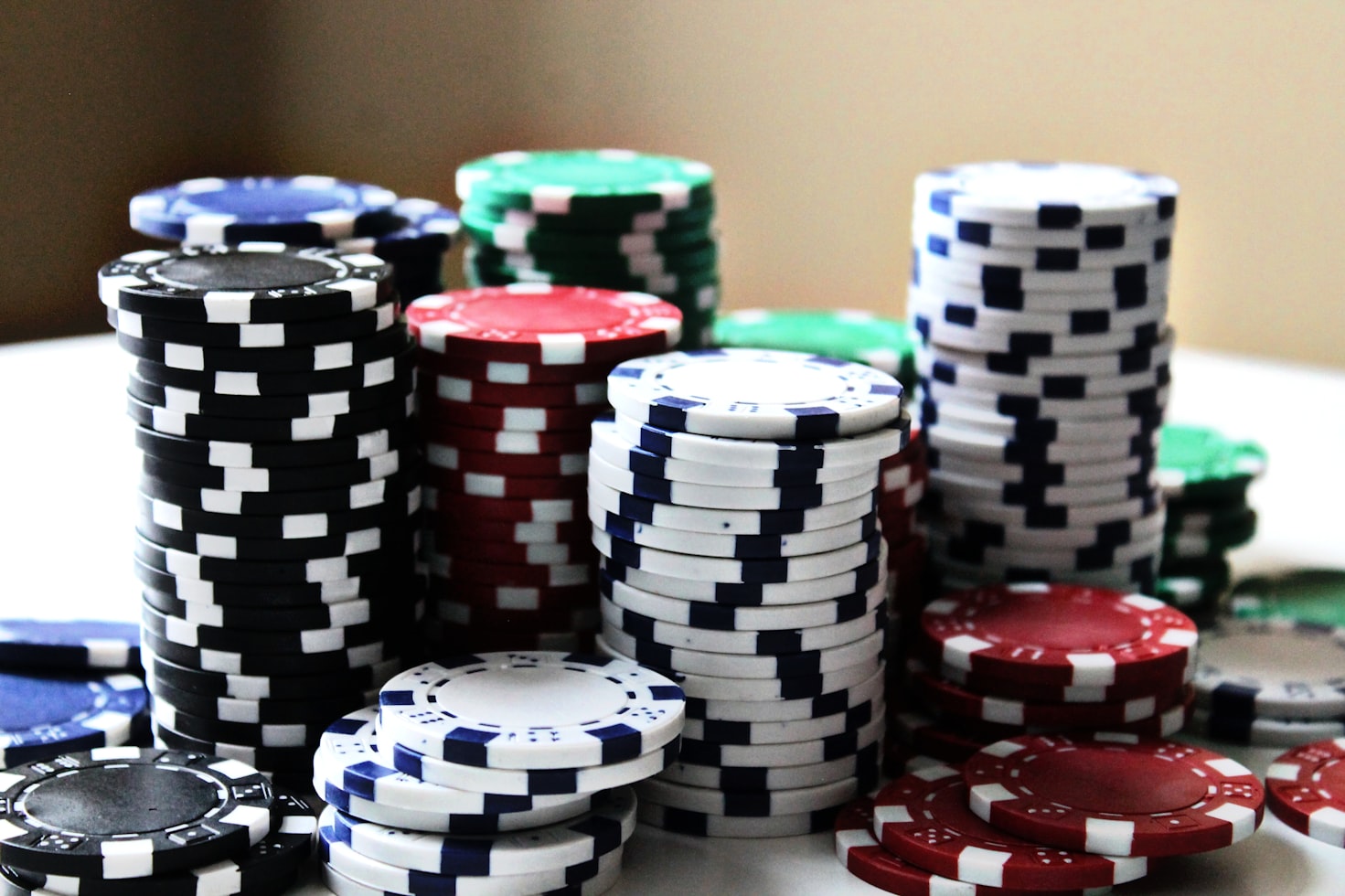
The ambiance also plays a psychological role, with research suggesting that the excitement of the environment can trigger dopamine release in the brain. This neurotransmitter is associated with pleasure and reward, making players more susceptible to continuing their gambling behaviors in hopes of achieving that euphoric feeling again. It creates a cycle where the thrill of potential wins overshadows the harsh realities of losses.
The Role of Risk and Reward
At the heart of gambling lies the concept of risk versus reward. Casinos exploit this psychological principle to keep players engaged. Many gamblers are drawn to the thrill of taking risks, driven by the hope of substantial rewards. This dynamic is particularly pronounced among high rollers, who often wager large sums of money in pursuit of big wins. The potential for a life-changing jackpot can overshadow logical decision-making, leading to impulsive behavior.
Moreover, the psychological principle known as “loss aversion” plays a significant role in gambling. Players often feel the sting of losing money more acutely than the joy of winning the same amount. As a result, they may continue to gamble in an attempt to recover their losses, often leading to a downward spiral. This psychological trap keeps players returning, even when their chances of winning are minimal.
The Influence of Social Dynamics
Social interactions in casinos can significantly influence gambling behavior. Many players thrive in communal settings, where the excitement of fellow gamblers can amplify their own enthusiasm. This social reinforcement can lead to increased bets, as individuals may feel pressured to keep up with their peers or simply want to share in the collective thrill of the gaming experience.
Furthermore, the concept of “groupthink” can emerge in casino environments, where individuals may mimic the behaviors and decisions of those around them. This phenomenon can lead to more aggressive gambling strategies and can hinder rational decision-making. Players may overlook their financial limits due to the social atmosphere, often resulting in larger losses than they had intended.
The Psychological Impact of Wins and Losses
The emotional rollercoaster of gambling—characterized by moments of elation during wins and despair during losses—creates a complex psychological landscape. Winning can produce a euphoric high, reinforcing the desire to gamble again, while losses can lead to feelings of frustration and regret. This duality creates a volatile relationship with gambling, where each win can incentivize further play, while losses can prompt dangerous chasing behavior.
Moreover, the intermittent reinforcement schedule of wins—where players receive rewards at unpredictable intervals—can create a powerful urge to continue gambling. This unpredictability keeps players engaged, as they never know when the next win might occur. Understanding this psychological phenomenon can shed light on why many gamblers struggle to quit, even when faced with negative consequences.
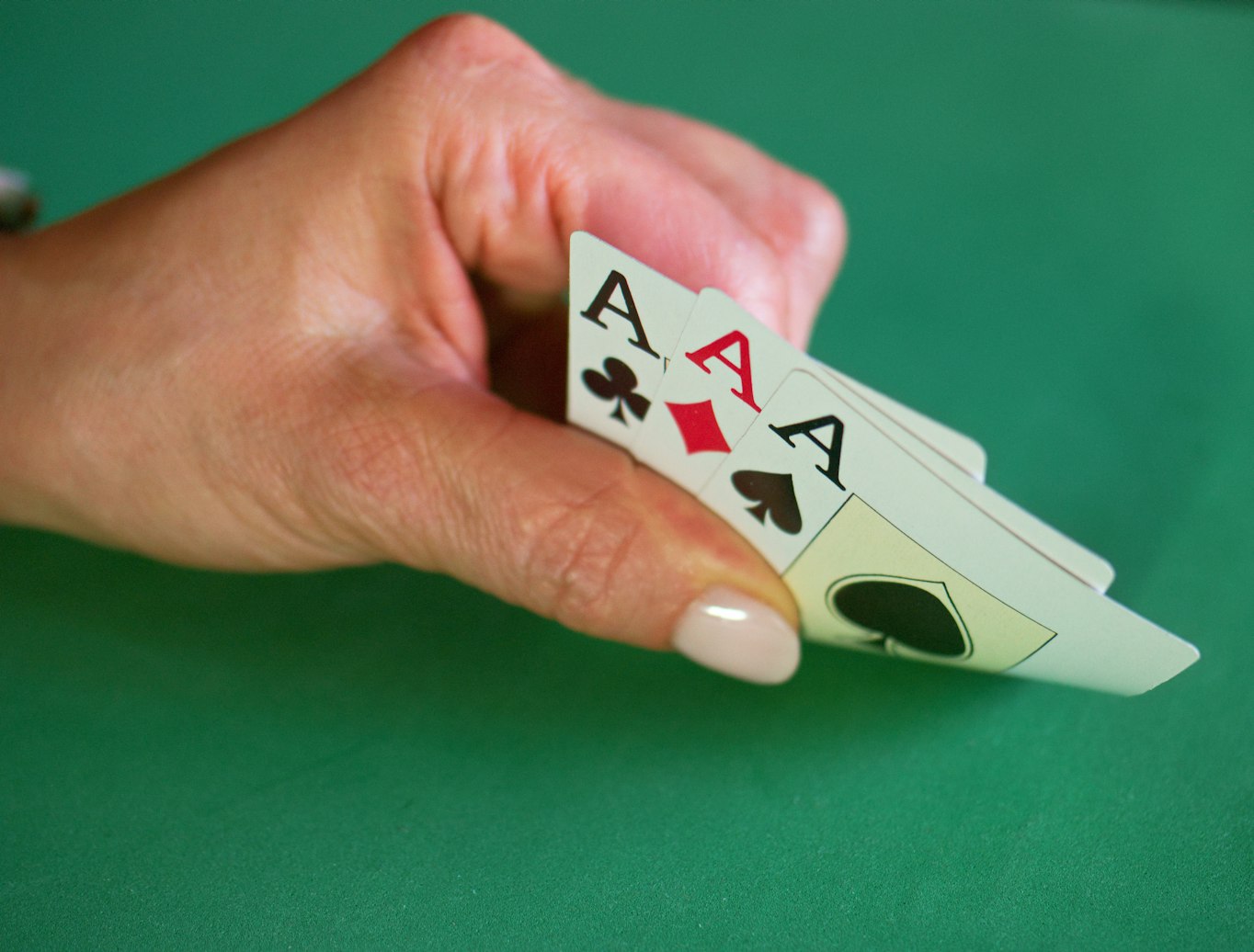
Enhancing Your Understanding of Gambling Behaviors
By exploring the psychology behind gambling, individuals can better comprehend their behaviors and the factors influencing them. Resources dedicated to education and awareness can equip gamblers with the necessary tools to make informed decisions, enhancing their understanding of both the risks and rewards associated with gambling.
Ultimately, recognizing the psychological triggers at play in casinos can empower individuals to engage with gambling in a healthier and more balanced way. For those looking to improve their understanding of this complex subject, dedicated platforms that focus on education can provide valuable insights into gambling psychology, helping people navigate their experiences with greater confidence.
Geef een reactie